Our Assessment Methodology
Why Is A Healthy Room Assessment Different?
Assessing electromagnetic exposure inside a home is more complex than simply taking a few measurements.
Modern homes contain electromagnetic fields generated by electrical wiring, wireless devices, neighboring homes, utility infrastructure, and countless external sources. These electromagnetic signals travel at nearly the speed of light and often arrive from multiple directions simultaneously.
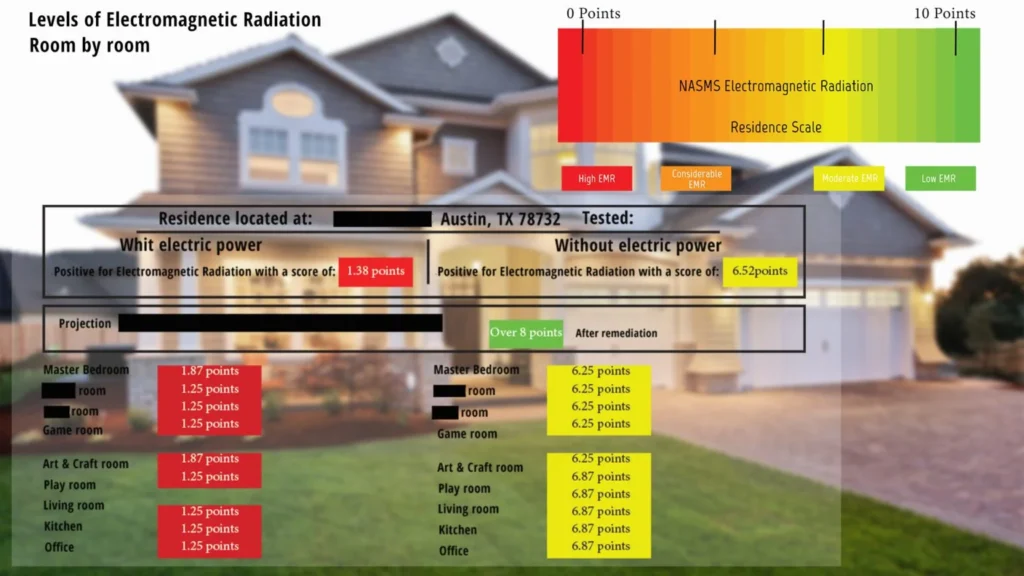
One of the fundamental properties of electromagnetism is that electromagnetic waves do not simply “collide.” Instead, they can interact in ways that either enhance one another or partially cancel one another. As a result, a single measurement taken at one moment may not accurately represent the true electromagnetic environment of a room.
For this reason, Faraday Shield utilizes a standardized assessment protocol specifically designed to overcome these challenges and provide a more realistic understanding of indoor electromagnetic exposure.
A Multi-Instrument Approach
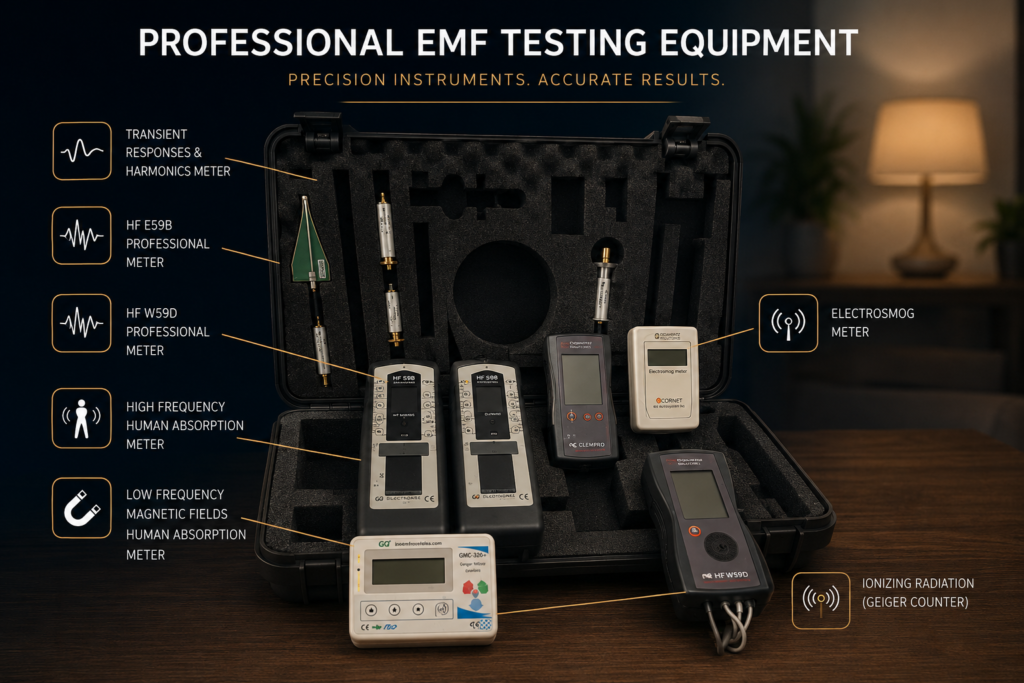
Most EMF inspections rely on one or two instruments. Our assessment protocol utilizes multiple professional-grade instruments, each designed to evaluate a different aspect of the electromagnetic environment. These instruments measure: • High-frequency electromagnetic radiation • Low-frequency electric fields • Low-frequency magnetic fields • Human electromagnetic absorption • Transients and harmonics • Ionizing radiation • Environmental electrical influences • Additional variables relevant to indoor exposure. By combining data from multiple instruments, we obtain a more comprehensive picture of the electromagnetic conditions present throughout the home.
The Two-Phase Assessment Protocol
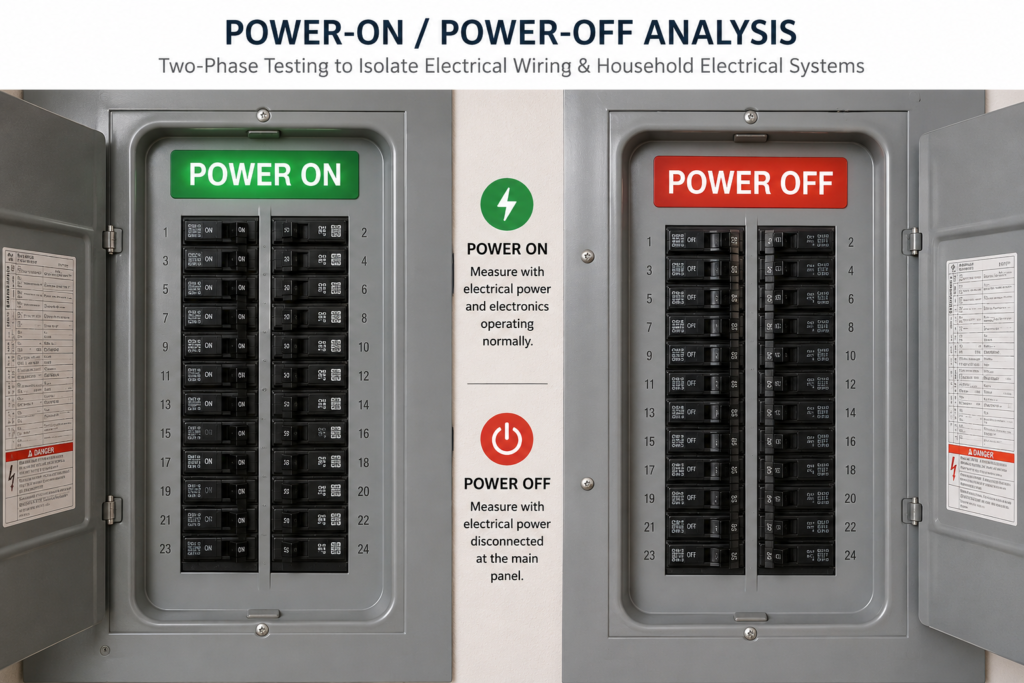
A key component of our methodology is the collection of measurements under two separate conditions. Phase One Measurements are recorded with the home’s electrical system operating normally and with the electronic devices commonly used by the occupants functioning as they would during a typical day. Phase Two Measurements are repeated after electrical power to the residence has been disconnected at the main breaker panel. By comparing these two data sets, we create a controlled comparison that helps identify the contribution of household electrical systems, wiring infrastructure, and environmental sources.
This comparative analysis provides information that cannot be obtained through a single measurement session.
Data Analysis And Exposure Modeling
Once measurements have been collected, the data is analyzed using a series of comparative calculations designed to identify patterns of enhancement, cancellation, and interaction among electromagnetic sources.
The objective is not simply to measure environmental electromagnetic fields, but to better understand how those fields contribute to overall exposure within the living space.
This approach helps reveal hidden electrical influences that may otherwise remain undetected.
Understanding Electron Volt Exposure
An additional component of our analysis involves evaluating electromagnetic energy in terms of electron volts (eV).
Electron volts are a unit used to describe the amount of energy carried by electromagnetic radiation.
Scientific literature has demonstrated that energy levels of approximately 30 electron volts possess sufficient energy to produce double-strand DNA damage under certain conditions.
Because DNA integrity is fundamental to cellular health, understanding the energy characteristics of an electromagnetic environment can provide valuable information when evaluating long-term exposure scenarios.
For this reason, our assessment protocol goes beyond simple field strength measurements and incorporates additional calculations designed to better characterize the energy profile of the environment being evaluated.
The Goal
The purpose of the Healthy Room Assessment is simple:
To provide homeowners with a scientifically informed understanding of their indoor environment and to identify practical opportunities for creating healthier living spaces that support sleep, restoration, wellness, and peace of mind.
Our Assessment Process
Step 1: Pre-Assessment Planning
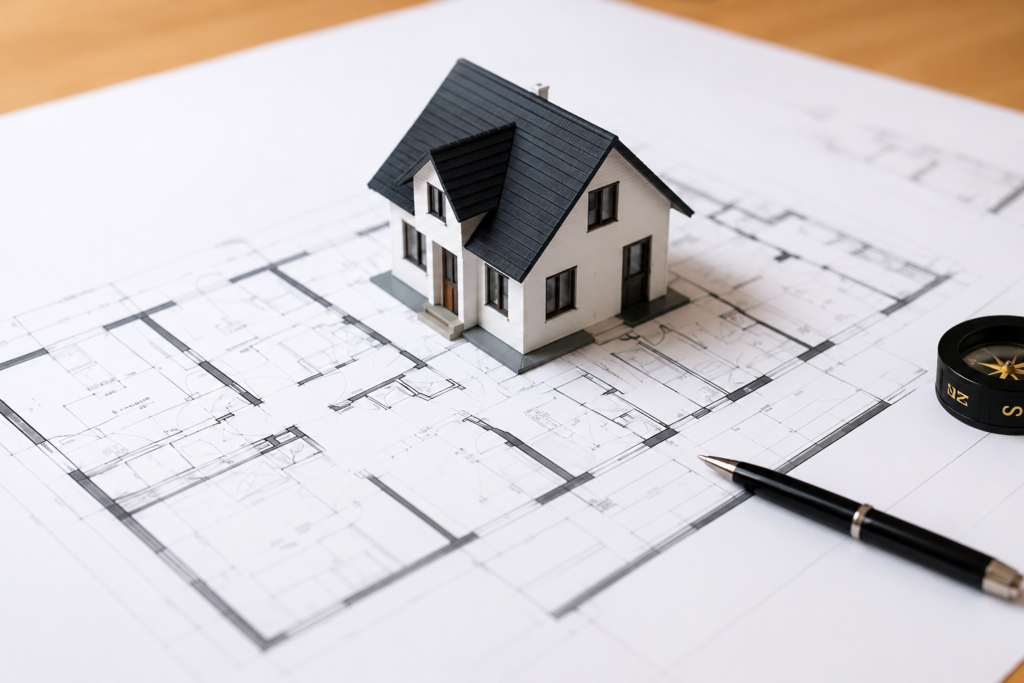
Before our visit, please provide:
- Property address
- Basic floor plan or sketch of the home
- Information regarding solar panels, if applicable
- Any specific rooms or concerns you would like evaluated
This information allows us to prepare a customized assessment plan before arriving on site.
Step 2: On-Site Evaluation
Every room within the home is evaluated using a standardized assessment protocol.
Our testing process includes measurements taken while the home is operating normally, using the same electrical systems and electronic devices typically used by the occupants during a normal day.
This approach allows us to evaluate the environment under real-world living conditions.
Step 3: Power-On / Power-Off Analysis
One of the unique features of our methodology is the comparison of measurements with:
- Electrical power ON
- Electrical power OFF
After the first phase of testing is completed, electrical power is temporarily disconnected at the main breaker panel.
If solar panels are installed, the homeowner should contact their solar provider prior to our visit and obtain instructions regarding the proper shutdown procedure.
This second phase allows us to isolate environmental influences associated with electrical wiring and household electrical systems.
Step 4: Human Absorption Assessment
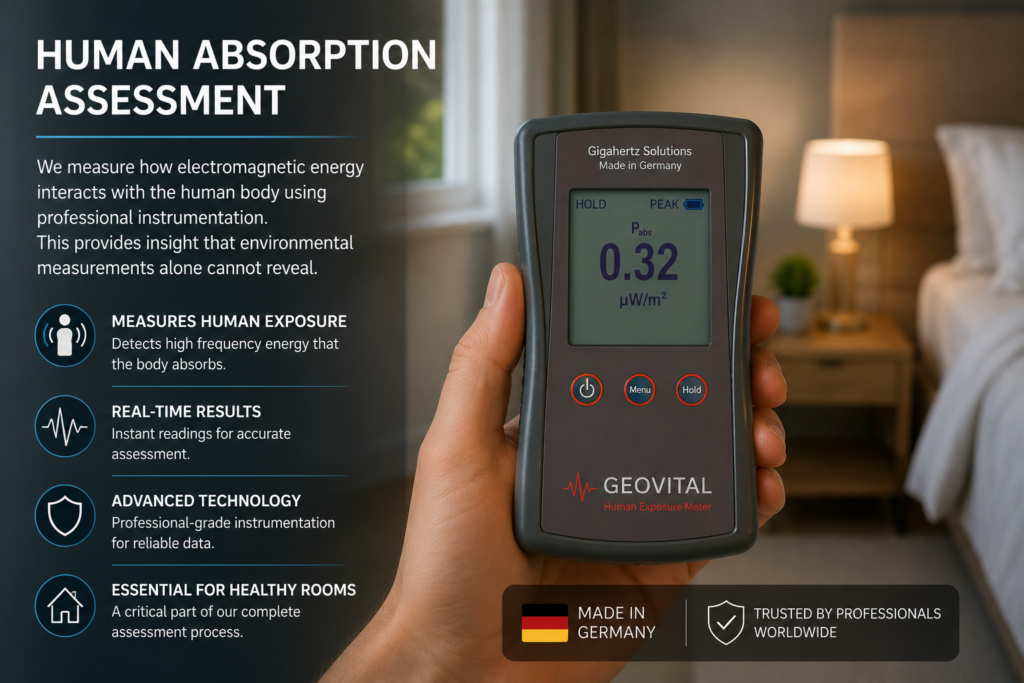
In addition to measuring the environment itself, we evaluate how electromagnetic energy interacts with the human body.
This step provides information that conventional environmental measurements alone cannot provide and helps identify conditions that may deserve further attention.
Step 6: Data Analysis
Following the assessment, all collected measurements are reviewed and analyzed. This process generally requires approximately 48 hours and includes: Room-by-room comparison, Source identification, Exposure ranking, Human absorption analysis, Environmental interpretation
Step 7: Report and Consultation
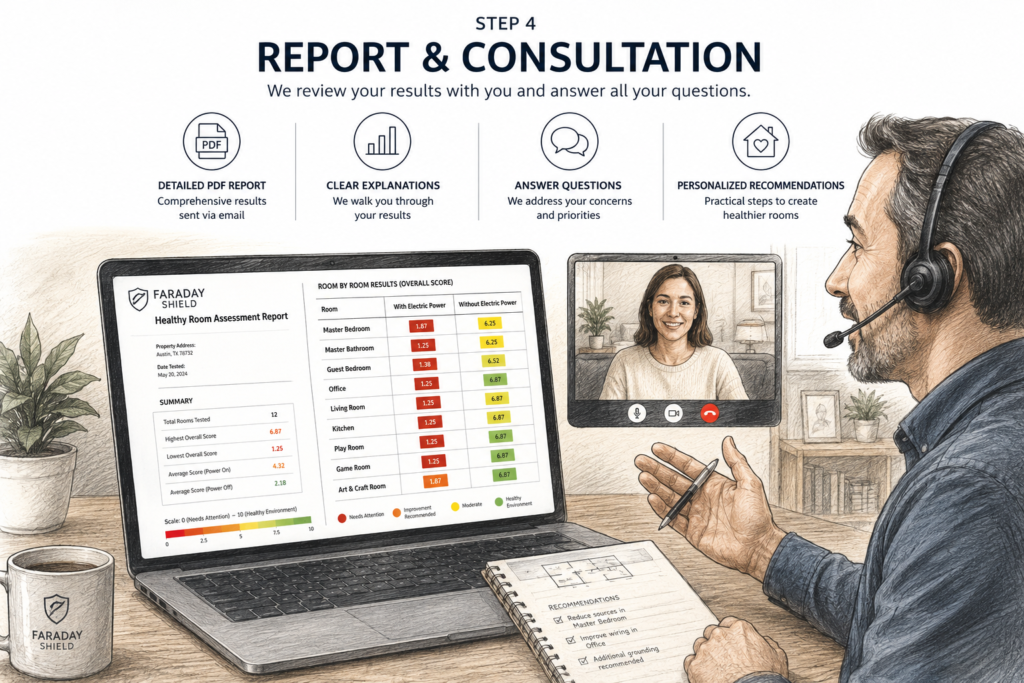
You will receive a detailed PDF report containing:
- Personalized recommendations
- Once the report is delivered, a video consultation will be scheduled to review the findings, answer questions, and discuss potential next steps.